Overview
Market Overview

Operators are navigating growing complexity as the mobile ecosystem diversifies. The surge in device types—ranging from smartphones and tablets to wearables and IoT modules—requires flexible support structures.
This shift is intensified by the rise of eSIM-only devices, which are rapidly becoming the default across premium and mid-range product lines. Apple’s first eSIM-only iPhones were introduced to the American market in 2022, and all other manufacturers are making moves to follow suit. Major OEMs are phasing out physical SIM trays, and industry forecasts indicate that within just a few years, the majority of devices will support only eSIM. This marks a fundamental change for mobile operators: instead of relying on physical distribution and SIM logistics, they must now provide digital infrastructure to onboard and manage subscribers. eSIM platforms—and most importantly Entitlement Server—become essential tools for operators to retain visibility, control, and subscriber engagement in this fully digital environment.
Challenges and Opportunities
At the same time, customer expectations have shifted. Subscribers now expect not only uninterrupted, multi-device experiences that work out-of-the-box across phones, tablets, smartwatches, and connected accessories, but also intuitive and highly personalized journeys tailored to their preferences.
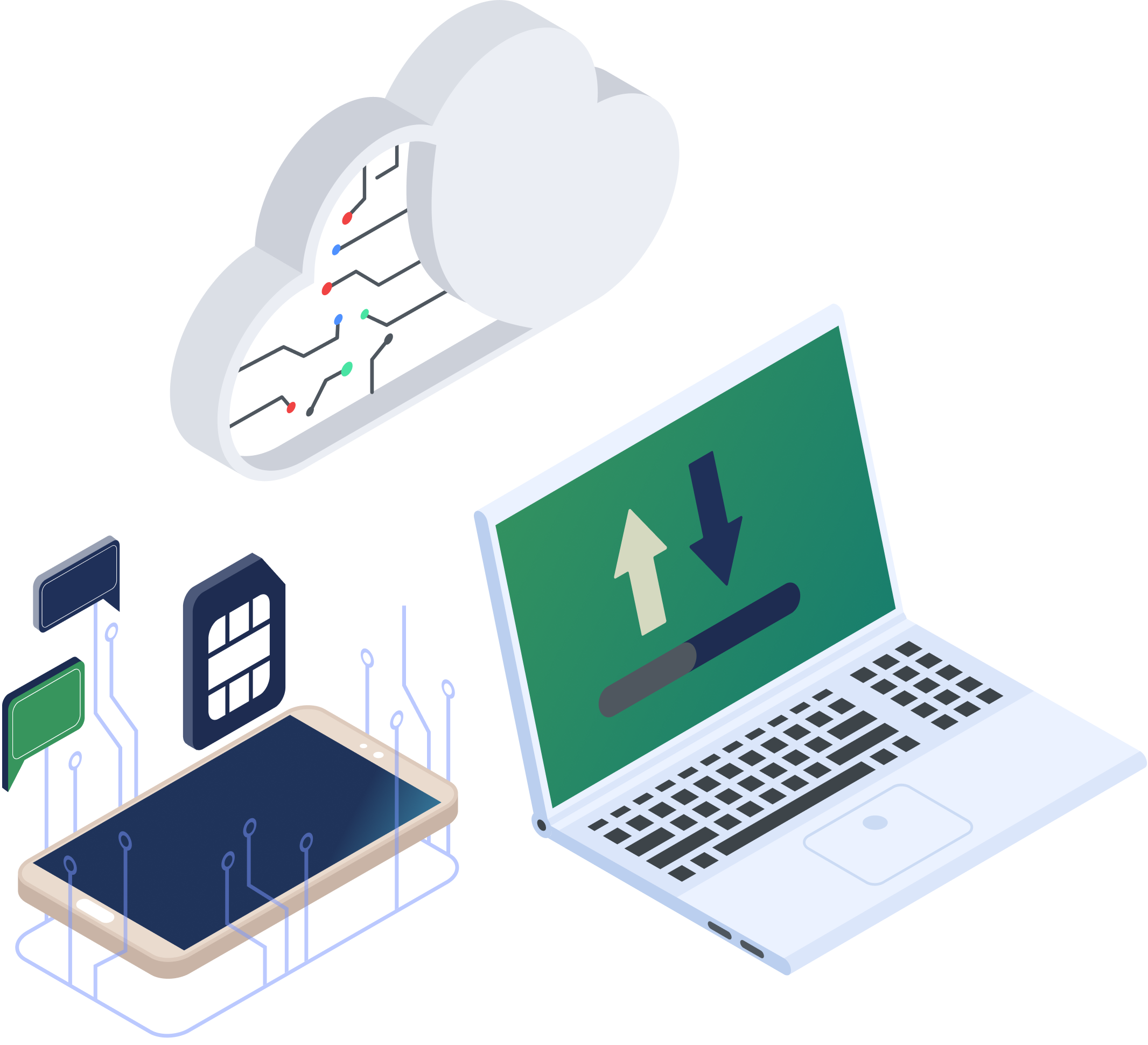 These differentiated experiences all depend on one thing: entitlement technology that ensures seamless collaboration between devices, networks, and third-party services.
Delaying the adoption of modern entitlement management solutions almost certainly risks diminishing an operator’s relevance in a market where agility and innovation drive competitive advantage. Robust entitlement management is the foundation of future mobile experiences. It can streamline complex workflows, ensure interoperability across devices and services, and maintain customer engagement across their digital lives.
Ultimately, these challenges are openings for innovation. Operators can monetize new device categories through secondary plans—for instance, by offering smartwatches their own service tiers. The removal of physical SIM logistics reduces operational overheads, while digital activation flows improve customer satisfaction and reduce time-to-service.
The Importance of ES
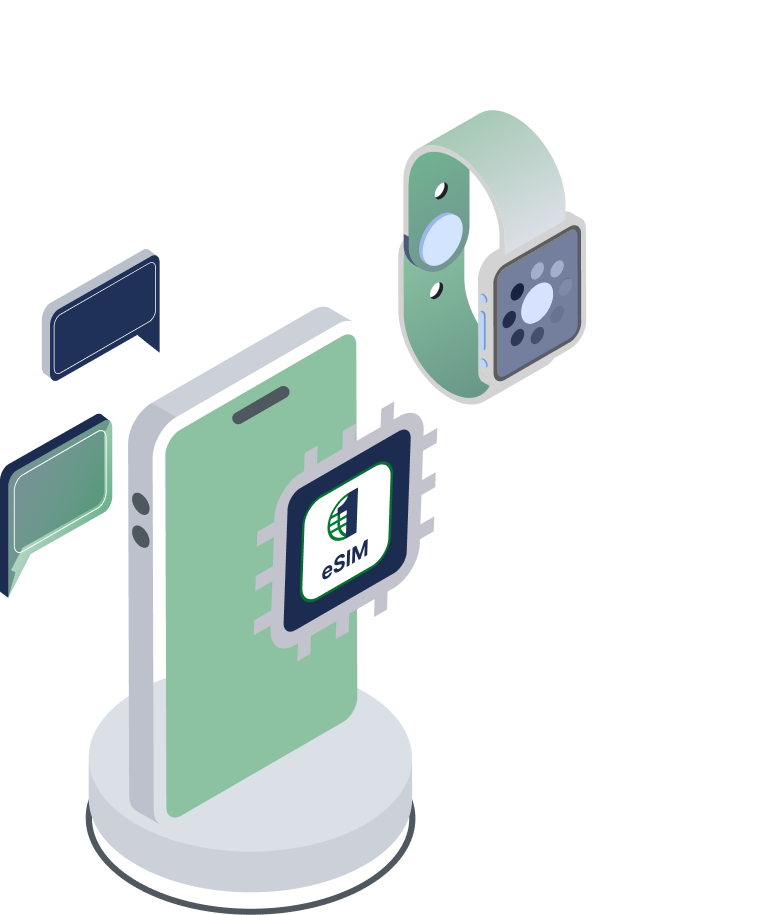
Beyond Apple, 1GLOBAL’s ES is designed for universal compatibility: it adheres to GSMA specifications as well, supports any major OEM, and is ready to orchestrate entitlements across any compliant ecosystem. By ensuring deep coordination between the device, network, and subscriber entitlements, ES brings unmatched scale, automation, and consistency—positioning operators to retain control in a digital-first world where eSIM is not just common, but dominant.